

Sunset nature provides renewable energy through solar power generated by artificial intelligence

Solar Training

Course Overview
The Solar Training course at Highbury College is a five-day, industry-aligned boot-camp that equips electricians, roofers and aspiring PV professionals with the skills to design, install, test and commission photovoltaic (PV) systems for residential and light-commercial sites. Mapped to NABCEP PV Associate learning objectives and local SANS/IEC standards, the programme blends classroom theory, hands-on array builds and live commissioning drills on our rooftop training lab. Graduates exit ready to sit the NABCEP PV Associate exam, pull permits and connect grid-tied or off-grid systems up to 15 kW.

What you’ll learn

  • PV market drivers, incentives and the SA grid-code / NRS-097 interconnection rules
  • Solar resource assessment, shading analysis and string-layout software
  • Module types, cell tech, power-temperature coefficients and mechanical loading
  • Inverter topology: string, power-optimiser, micro-inverter and hybrid battery units
  • DC & AC conductor sizing, voltage-drop, fault-current and protection-device selection
  • Earthing, surge suppression and lightning protection for rooftop and ground-mount arrays
  • Safe mounting on tile, IBR and flat concrete roofs – rail, ballast and penetrating systems
  • Battery integration: LiFePO₄ sizing, BMS wiring and off-grid load-shifting controls
  • Live testing: Voc, Isc, insulation resistance, earthing continuity and RCD trip-time
  • Commissioning pack: as-built diagrams, O&M manual, hand-over and NERSA registration forms
  • Practical assessment: build, energise and fault-find a 3 kW hybrid system in under 4 h
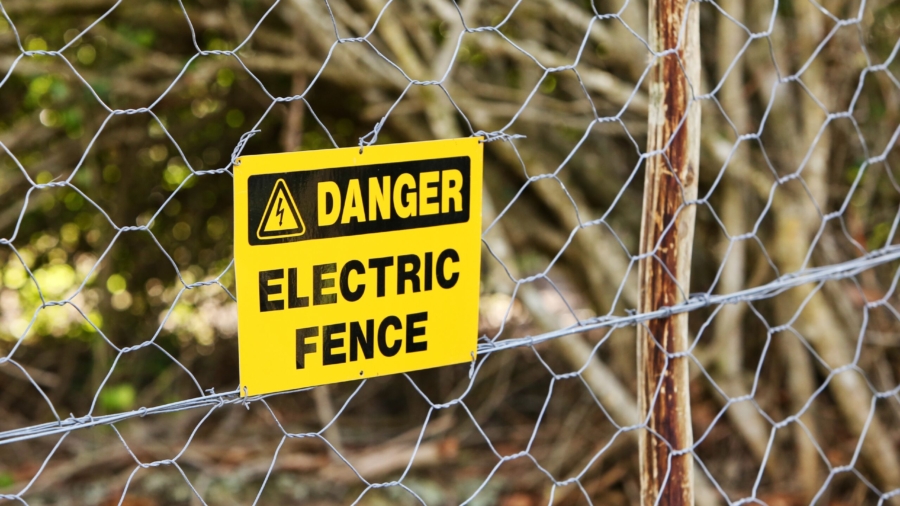
A danger sign hung from the electric fence with the trees in the background

Electric Fencing

Course Overview
The Electric Fencing course at Highbury College is a two-day, code-driven boot-camp that equips electricians, security installers and farmers with the skills to design, install, test and legally sign off electric fence systems in South Africa. Mapped to SANS 10222-3 and the latest IEC 60335-2-76 safety standard, the programme balances classroom code navigation with hands-on labs using UL-approved energizers, high-tensile wire and modern fault-finding instruments. Graduates leave able to issue a Certificate of Compliance (CoC) for agricultural or security electric fences and register as an accredited Electric Fence System Installer (EFSI) with the Department of Labour.

What you’ll learn

  • Scope & legal status of SANS 10222-3, OHS Act and local municipal by-laws
  • Energizer selection: joule rating, pulse shape, battery vs. solar vs. mains 230 V
  • Earth-system design: ground-rod spacing, impedance testing and soil-resistivity checks
  • Conductor choice: 12.5 HT steel, poly-rope, tape and alloy wires; corrosion & UV rating
  • Insulator & strainer installation on steel, wooden and composite posts
  • Zone switching, cut-out switches and lightning-arrester placement
  • Live-dead-live testing with digital fence voltmeter and fault finder
  • Warning-signage spacing, height restrictions and setback from power lines
  • Completing the Electric Fence Certificate of Compliance (EFCOC) and hand-over pack
  • Practical assessment: build, energise and test a 100 m multi-zone fence under 2 h window