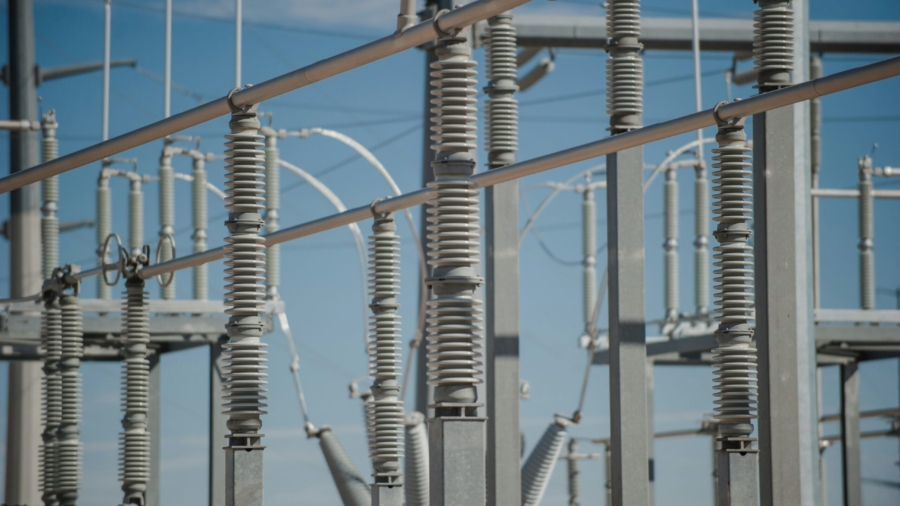

Sunset nature provides renewable energy through solar power generated by artificial intelligence

Solar Training

Course Overview
The Solar Training course at Highbury College is a five-day, industry-aligned boot-camp that equips electricians, roofers and aspiring PV professionals with the skills to design, install, test and commission photovoltaic (PV) systems for residential and light-commercial sites. Mapped to NABCEP PV Associate learning objectives and local SANS/IEC standards, the programme blends classroom theory, hands-on array builds and live commissioning drills on our rooftop training lab. Graduates exit ready to sit the NABCEP PV Associate exam, pull permits and connect grid-tied or off-grid systems up to 15 kW.

What you’ll learn

  • PV market drivers, incentives and the SA grid-code / NRS-097 interconnection rules
  • Solar resource assessment, shading analysis and string-layout software
  • Module types, cell tech, power-temperature coefficients and mechanical loading
  • Inverter topology: string, power-optimiser, micro-inverter and hybrid battery units
  • DC & AC conductor sizing, voltage-drop, fault-current and protection-device selection
  • Earthing, surge suppression and lightning protection for rooftop and ground-mount arrays
  • Safe mounting on tile, IBR and flat concrete roofs – rail, ballast and penetrating systems
  • Battery integration: LiFePO₄ sizing, BMS wiring and off-grid load-shifting controls
  • Live testing: Voc, Isc, insulation resistance, earthing continuity and RCD trip-time
  • Commissioning pack: as-built diagrams, O&M manual, hand-over and NERSA registration forms
  • Practical assessment: build, energise and fault-find a 3 kW hybrid system in under 4 h
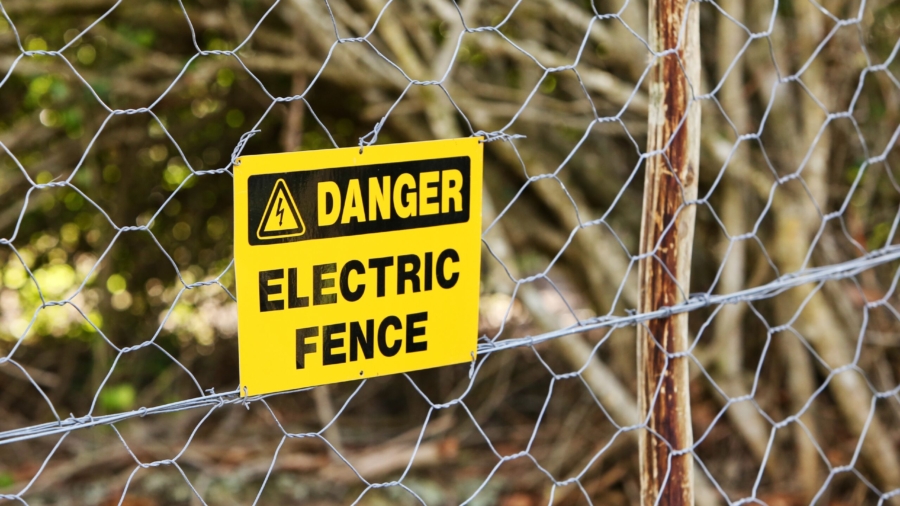
A danger sign hung from the electric fence with the trees in the background

Electric Fencing

Course Overview
The Electric Fencing course at Highbury College is a two-day, code-driven boot-camp that equips electricians, security installers and farmers with the skills to design, install, test and legally sign off electric fence systems in South Africa. Mapped to SANS 10222-3 and the latest IEC 60335-2-76 safety standard, the programme balances classroom code navigation with hands-on labs using UL-approved energizers, high-tensile wire and modern fault-finding instruments. Graduates leave able to issue a Certificate of Compliance (CoC) for agricultural or security electric fences and register as an accredited Electric Fence System Installer (EFSI) with the Department of Labour.

What you’ll learn

  • Scope & legal status of SANS 10222-3, OHS Act and local municipal by-laws
  • Energizer selection: joule rating, pulse shape, battery vs. solar vs. mains 230 V
  • Earth-system design: ground-rod spacing, impedance testing and soil-resistivity checks
  • Conductor choice: 12.5 HT steel, poly-rope, tape and alloy wires; corrosion & UV rating
  • Insulator & strainer installation on steel, wooden and composite posts
  • Zone switching, cut-out switches and lightning-arrester placement
  • Live-dead-live testing with digital fence voltmeter and fault finder
  • Warning-signage spacing, height restrictions and setback from power lines
  • Completing the Electric Fence Certificate of Compliance (EFCOC) and hand-over pack
  • Practical assessment: build, energise and test a 100 m multi-zone fence under 2 h window
shirish-suwal-ctmuaOO-JJI-unsplash

Intermediate Electrical Training

Course Overview
The Intermediate Electrical Training course at NewTech builds on foundational knowledge to deepen your understanding of electrical systems, advanced circuit design, and regulatory compliance. Aimed at learners who have completed basic training or are already working in the trade, the programme blends theory with intensive practical labs so you can confidently install, test, and commission domestic and small-commercial installations. Emphasis is placed on safe isolation procedures, cable selection, protective devices, and the latest 18th Edition wiring regulations. By the end of the course you will be ready to tackle more complex projects, supervise basic installs, and progress toward professional accreditation.

What you’ll learn

  • 18th Edition Wiring Regulations (BS 7671) update & application
  • Safe isolation, lock-out / tag-out and permit-to-work systems
  • Advanced circuit protection: RCD, RCBO, MCB sizing & discrimination
  • Cable calculation & voltage-drop for radial, ring and multi-phase circuits
  • Two-way, intermediate and dimmer switching circuits
  • Small-scale three-phase supply principles & L-N-E fault paths
  • Inspection, testing and certification (dead & live tests, Schedule of Test Results)
  • Domestic & light-commercial consumer-unit replacement & labelling
  • Introduction to conduit, trunking and tray installation techniques
  • Basic fault-diagnosis on lighting, power and final-ring circuits
american-public-power-association-Zy1mDOLhUB4-unsplash

Basic Electrical Training

Course Overview
The Basic Electrical Training course at Highbury College provides a solid introduction to the fundamentals of electricity, electrical safety, and hands-on wiring skills. Designed for beginners and aspiring artisans, this course covers essential concepts such as voltage, current, resistance, circuit construction, and the safe use of electrical tools and materials. Through practical workshops and guided instruction, students will gain the foundational knowledge needed to pursue further electrical studies or start working in entry-level roles within the electrical field. No prior experience required.

What you’ll learn

  • Electrical Safety & Regulations
  • Introduction to Tools & Equipment
  • Basic Electrical Theory (Ohm’s Law, Circuits, Voltage, Current, Resistance)
  • Wire Types and Cable Management
  • Circuit Assembly and Testing
  • Reading and Understanding Electrical Diagrams
  • Domestic Wiring Principles
  • Introduction to Fault Finding