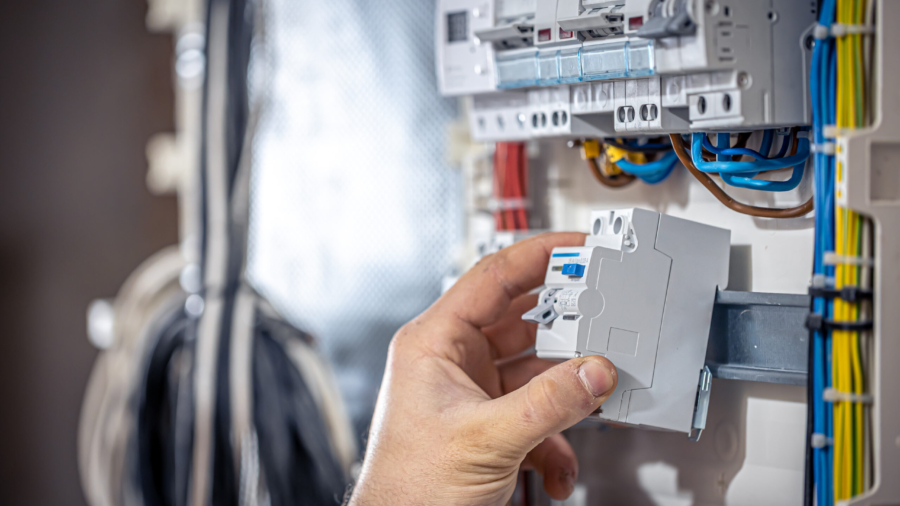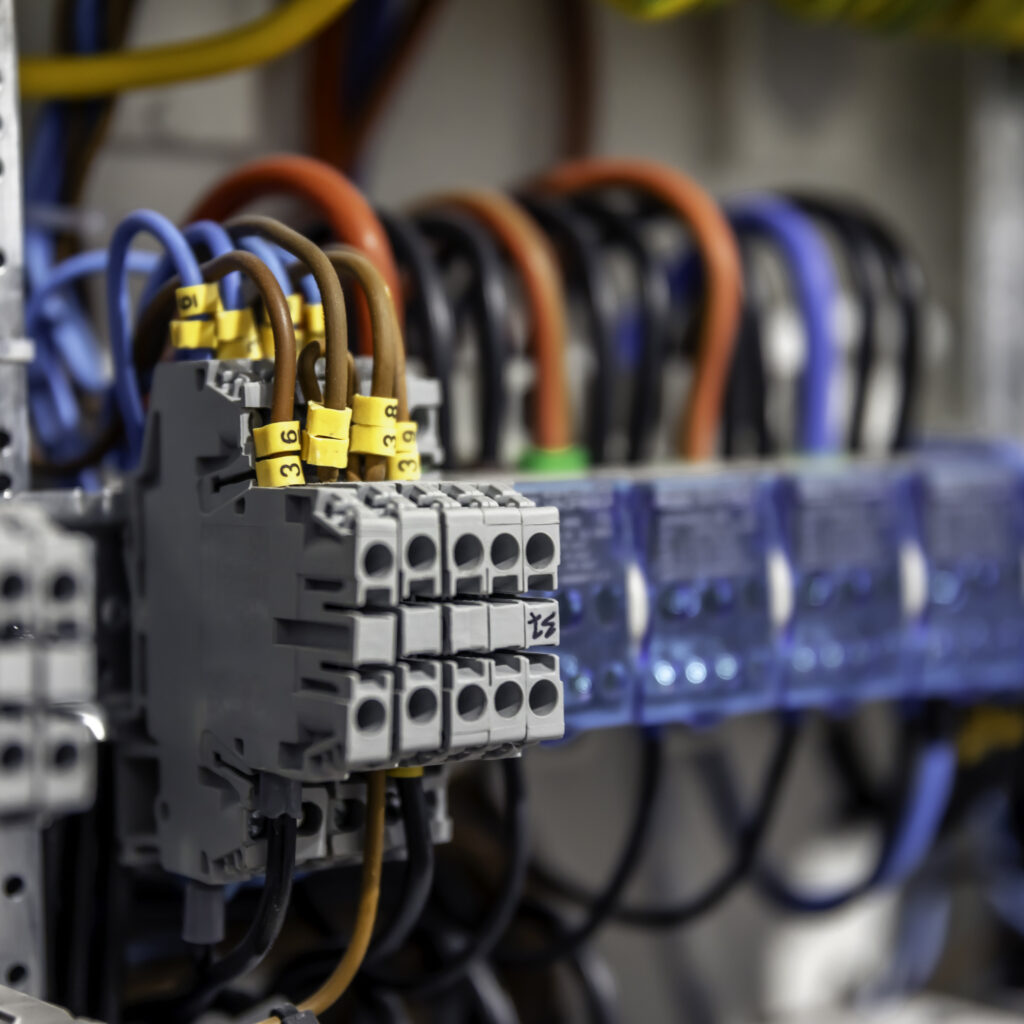
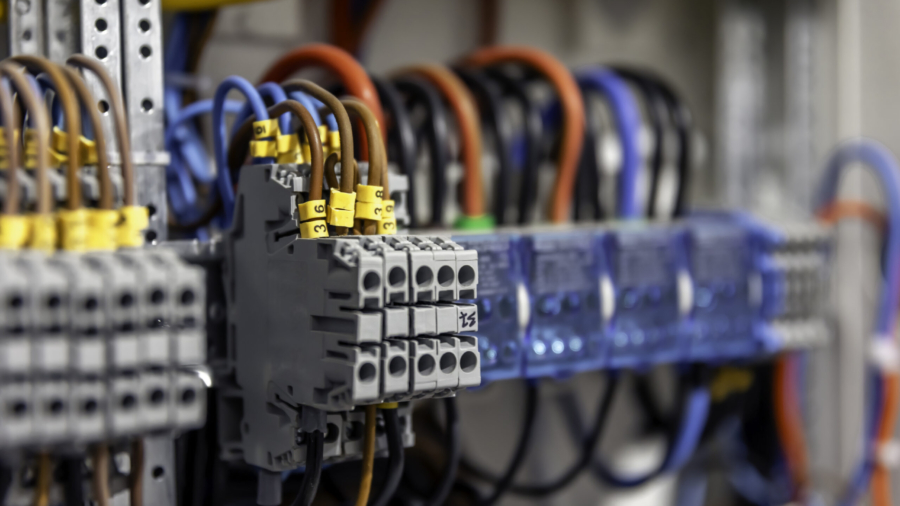
Electric control panel enclosure for power and distribution electricity. Uninterrupted, electrical voltage.

Occupational Certificate: Electrician Programme

Course Overview
The Occupational Certificate: Electrician programme at NewTech is a SAQA-accredited learnership that meets the QCTO (Quality Council for Trades & Occupations) curriculum for the national Occupational Certificate: Electrician (NQF Level 4). Spread over 12 months full-time or 24 months part-time, the course combines 30 % classroom theory, 20 % simulated workshop tasks and 50 % logged workplace experience with an approved employer. On completion you will have the full 3 600 credits required to register as a qualified electrician with the Department of Labour and sit the national trade test at an INDLELA centre.

What you’ll learn

  • QCTO knowledge modules: electrical principles, AC/DC machines, electronics, instrumentation & control
  • 18th Edition SANS 10142-1 wiring-code application and OHS Act compliance
  • Cable calculation, fault-level discrimination and earth-system design for single & three-phase installations up to 1 kV
  • Motor control: DOL, star-delta, VSD and PLC wiring to SANS standards
  • Renewable integration: grid-tied PV, battery hybrid and EV charge-point connection rules
  • Workplace practical modules: conduit & trunking, tray installations, panel building and machine termination
  • Inspection, testing and certification: dead, live and thermal-imaging routines; completing CoC documentation
  • Soft skills: site leadership, client hand-over, maintenance scheduling and quotation preparation
  • Portfolio of Evidence (PoE) compilation and log-book sign-off ready for INDLELA trade-test booking
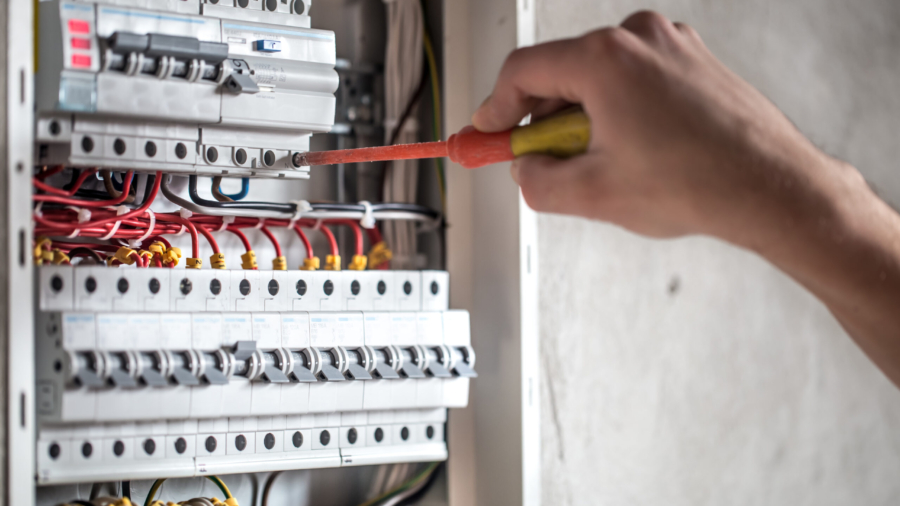
Man, an electrical technician working in a switchboard with fuses. Installation and connection of electrical equipment. Professional with tools in hand. concept of complex work, space for text. SSUCv3H4sIAAAAAAAEAI1Ry27DIBC8V+o/WJxjyS44dfoHPVTqPephgW2MQiDi0SqK8u8FEypOVW/szDK7s3N9fOg6wsErQV66a65SrbSOPjgIypoED5s77tBIdC2CUgXrFOgW5BDEYuCECTRR6wzfVpL4ACF69HnYHRIQ8JA0CvgrUTbal7qrxEqmH4ki72jPGsmmYXzkmXlTXqDWYNBGTyp/2/wh9mpktpyd/F+wPD6qbzigEZfVWmPZoUYolvellRy/A7pTewSIUtnG/5cVoHMDbZTOTgllDs03G5Y1j/pN2GiCyyuQaoNoa8/AdQ7jM2lixRfwPrXLijeDRDqFPTVzjA2rgbsqkSmzXI70aZwZm9g4Pm/pPLCB1JytOCrZWizRLypR7tLgKm9AKBspbjnrd9M09IzKqd9tJeufZ05nKjgIBunwtx9tVYW8sQIAAA==

Installation Rules Paper 1&2

Course Overview
The Installation Rules Paper 1 & 2 course at NewTech Academy is a fast-track, exam-centric programme that prepares practicing electricians and qualified trades people for the two national theory papers required for Installation Electrician (Wireman’s) registration. Delivered in evening or weekend block-release format, the course distils the Occupational Health & Safety Act, SANS 10142-1 wiring code and all related regulations into concise lectures, code-navigation drills and timed mock exams. Candidates leave able to pass both papers first time and move on to the practical assessment phase.

What you’ll learn

  • Occupational Health & Safety Act 85 of 1993 and Electrical Installation Regulations
  • SANS 10142-1 Edition 3 wiring-code structure, scope and legal status
  • Paper 1 focus: general safety, design principles, OHS applications and basic calculations
  • Paper 2 focus: cable selection, installation methods, verification, certification and fault protection
  • Rapid code look-up techniques and keyword indexing for 3-hour closed-book exams
  • 100-mark mock papers under timed conditions with full marking memoranda
  • Common exam pitfalls, negative-marking avoidance and 50 % pass-strategy planning
  • Statement of Results process and next-step requirements for Installation Electrician registration
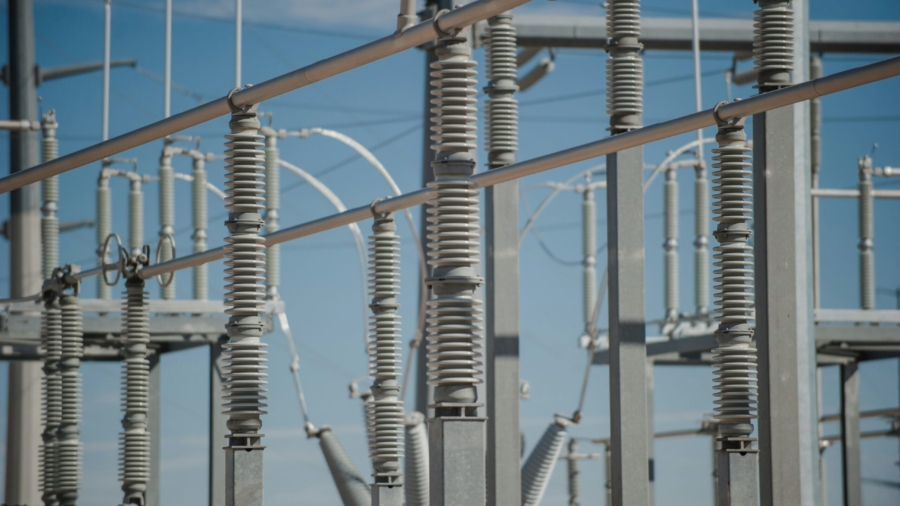
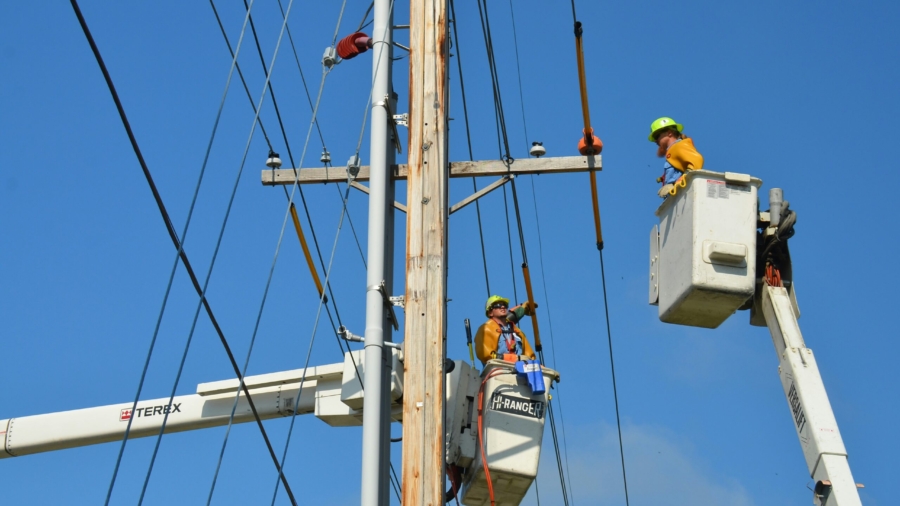
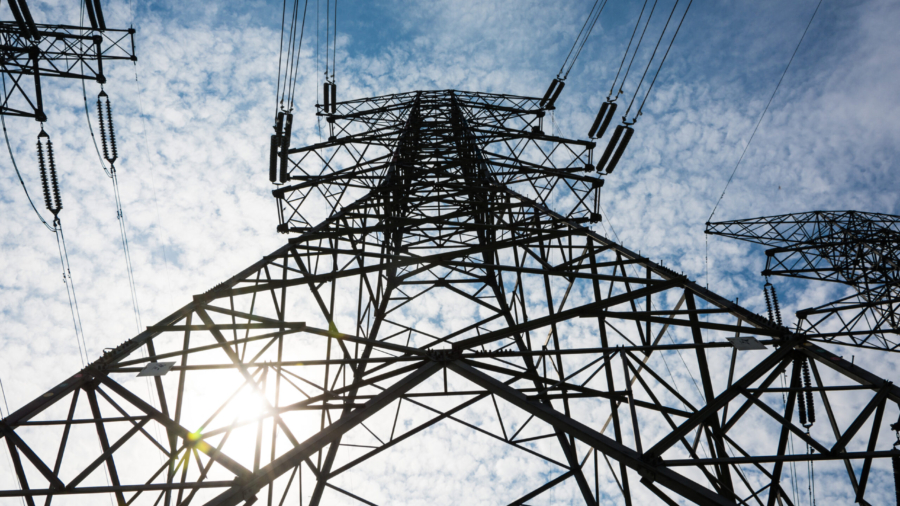
electricity high voltage pole and sky

COC Unit Standard – Three Phase

Course Overview
The COC Unit Standard – Three Phase course at NewTech Academy is a SAQA-aligned, assessment-led boot-camp that equips licensed electricians with the competence to inspect, test and legally issue Certificates of Compliance (CoCs) on three-phase commercial and industrial installations. Mapped directly to Unit Standard 259197, the programme compresses advanced theory, instrument coaching and supervised site inspections into a five-day block. Graduates exit audit-ready, able to sign off three-phase work and register with the Department of Labour as an Installation Electrician (IE).

What you’ll learn

  • Scope & legal force of Unit Standard 259197 and SANS 10142-1 Edition 3
  • Safe isolation, lock-out & permit-to-work on three-phase boards
  • Selection, calibration and use of loop, RCD, insulation, continuity and phase-sequence testers
  • Dead & live testing sequence: continuity, insulation resistance, polarity, phase rotation, earth-fault loop, RCD trip-time and discrimination
  • Completing the three-phase Certificate of Compliance (CoC) and Schedule of Test Results without errors
  • Inspection of three-phase distribution boards, metering CT chambers and motor-control panels
  • Common non-compliances and fault-finding on radial, ring and motor-feeder circuits
  • Building a Portfolio of Evidence (PoE) for Department of Labour IE registration
  • Practical assessment: inspect, test and document three separate three-phase installations under a registered mentor
Male electrician at the checkout counter on a blurred background of a switchboard.

COC Unit Standard – Single Phase

Course Overview
The COC Unit Standard – Single Phase course at NewTech Academy is a high-impact, assessment-driven programme that equips practising electricians with the exact competencies required to inspect, test and legally issue Certificates of Compliance (CoCs) for single-phase domestic installations. Mapped directly to SAQA Unit Standard 258966, the course compresses classroom code refreshers, instrument coaching and supervised live inspections into a five-day block. Candidates leave audit-ready, able to sign off single-phase work and register with the Department of Labour as an accredited Single-Phase Tester (SPT).

What you’ll learn

  • Scope & legal status of Unit Standard 258966 and SANS 10142-1
  • Safe-isolation, lock-out & permit-to-work aligned to OHS Act
  • Selection and calibration of insulation, continuity, loop and RCD testers
  • Dead & live testing sequence: continuity, insulation resistance, polarity, earth-fault loop, RCD trip-time
  • Completion of the Certificate of Compliance (CoC) and Schedule of Test Results without errors
  • Single-phase meter, main switch and distribution-board inspections
  • Common non-compliances and fault-finding on lighting, socket-outlet and geyser circuits
  • Building a Portfolio of Evidence (PoE) for Department of Labour registration
  • Practical assessment: inspect, test and document three separate single-phase installations under a registered mentor
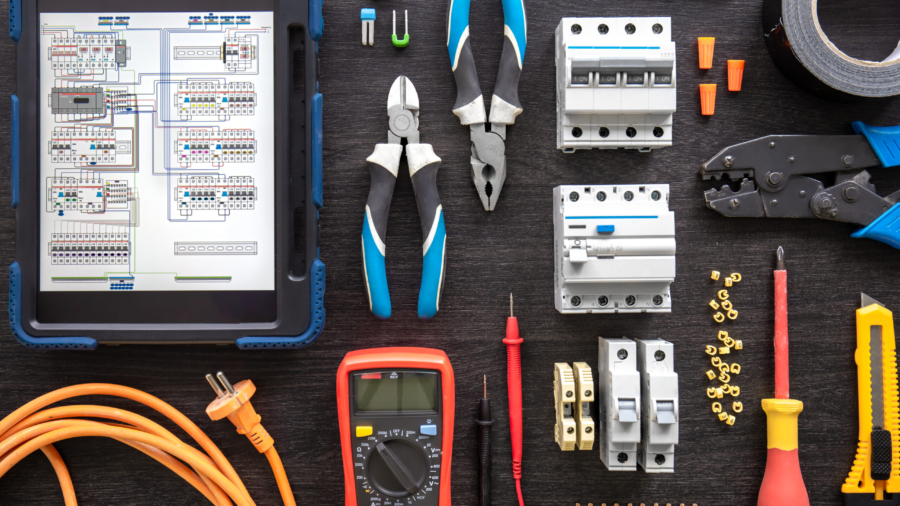
Flat lay composition with electrical tools and digital tablet on wooden background.

Trade Test Preparation & Testing

Course Overview
The Trade Test Preparation & Testing course at NewTech Academy is an intensive, exam-focused boot-camp that readies practising electricians for the National Trade Test (Red Seal / ARPL) and other provincial journeyman exams. Delivered over two weeks of full-day sessions, the programme distils the entire occupational standard into daily micro-reviews, timed mock exams and live-skills assessments in our dedicated trade-test bays. Candidates leave confident in code navigation, fault diagnosis under pressure and the paperwork required to pass first time.

What you’ll learn

  • Red Seal occupational standard mapping & “common-core” weightings
  • 18th Edition / NEC code-book rapid look-up drills
  • Safe-isolation, lock-out & permit-to-work per trade-test checklist
  • Cable calculation, voltage-drop & fault-current quick-fire formulas
  • Motor control & starter circuits – build, test and troubleshoot in 45 min window
  • Single-phase & three-phase energy-meter installations to SANS / CSA spec
  • Live/dead testing sequence & completing the Schedule of Test Results
  • Mock trade-test day: full 6-hr practical + 2-hr theory under exam conditions
  • Results feedback, appeals process and re-test strategy
Male electrician at the checkout counter on a blurred background of a switchboard.

Master Electrician

Course Overview
The Master Electrician programme at Newtech Academy is the final rung on the electrical ladder, engineered for licensed journeymen who are ready to own projects, pull permits, and lead teams. Delivered in blended format—intensive lectures, live-code workshops, and a capstone design-build—the course deep-dives into the 18th Edition + Amendments, electrical system design, project estimating, and site leadership. Graduates leave able to sign off complex commercial & industrial installations, register as electrical contractors, and command the top-tier salaries the trade offers.

What you’ll learn

  • Advanced 18th Edition Wiring Regulations & Amendment 2 updates
  • Electrical system design for three-phase, HV & standby-power installations
  • Cable sizing, voltage-drop, fault-current and discrimination studies
  • Periodic inspection, condition reporting and certification streams
  • Building Regulations Part P, Part L energy efficiency & fire-alarm interfaces
  • Project costing, tendering and NEC 3/4 contract awareness
  • Team leadership, apprenticeship supervision and Health & Safety CDM duties
  • Live testing, thermography and power-quality analysis
  • Renewable integration (EV charge points, solar PV, battery storage)
  • Business start-up: insurance, compliance, marketing & quality management
shirish-suwal-ctmuaOO-JJI-unsplash

Intermediate Electrical Training

Course Overview
The Intermediate Electrical Training course at NewTech builds on foundational knowledge to deepen your understanding of electrical systems, advanced circuit design, and regulatory compliance. Aimed at learners who have completed basic training or are already working in the trade, the programme blends theory with intensive practical labs so you can confidently install, test, and commission domestic and small-commercial installations. Emphasis is placed on safe isolation procedures, cable selection, protective devices, and the latest 18th Edition wiring regulations. By the end of the course you will be ready to tackle more complex projects, supervise basic installs, and progress toward professional accreditation.

What you’ll learn

  • 18th Edition Wiring Regulations (BS 7671) update & application
  • Safe isolation, lock-out / tag-out and permit-to-work systems
  • Advanced circuit protection: RCD, RCBO, MCB sizing & discrimination
  • Cable calculation & voltage-drop for radial, ring and multi-phase circuits
  • Two-way, intermediate and dimmer switching circuits
  • Small-scale three-phase supply principles & L-N-E fault paths
  • Inspection, testing and certification (dead & live tests, Schedule of Test Results)
  • Domestic & light-commercial consumer-unit replacement & labelling
  • Introduction to conduit, trunking and tray installation techniques
  • Basic fault-diagnosis on lighting, power and final-ring circuits
american-public-power-association-Zy1mDOLhUB4-unsplash

Basic Electrical Training

Course Overview
The Basic Electrical Training course at Highbury College provides a solid introduction to the fundamentals of electricity, electrical safety, and hands-on wiring skills. Designed for beginners and aspiring artisans, this course covers essential concepts such as voltage, current, resistance, circuit construction, and the safe use of electrical tools and materials. Through practical workshops and guided instruction, students will gain the foundational knowledge needed to pursue further electrical studies or start working in entry-level roles within the electrical field. No prior experience required.

What you’ll learn

  • Electrical Safety & Regulations
  • Introduction to Tools & Equipment
  • Basic Electrical Theory (Ohm’s Law, Circuits, Voltage, Current, Resistance)
  • Wire Types and Cable Management
  • Circuit Assembly and Testing
  • Reading and Understanding Electrical Diagrams
  • Domestic Wiring Principles
  • Introduction to Fault Finding
american-public-power-association-Zy1mDOLhUB4-unsplash

Trade Test

trade test is a practical and theoretical exam used to assess your skills in a specific trade, such as electrical, plumbing, fitting, welding, or motor mechanics. It determines whether you are competent to work as a qualified artisan.

Here’s a breakdown:

Purpose:

  • Certifies your technical competence.
  • Allows you to register as an artisan with the Department of Employment and Labour.
  • Improves your employability and pay grade.

Requirements:

  • Completed accredited training or recognition of prior learning (RPL).
  • Workplace experience (usually 3–4 years).
  • Certified copies of your ID and qualifications.

Process:

  1. Apply through an accredited trade test center (such as Newtech Training Academy).
  2. Undergo pre-assessment to check readiness.
  3. Take the test, which includes practical and theory components.
  4. Receive results (Competent or Not Yet Competent).
  5. Successful candidates get a Trade Test Certificate issued by NAMB.

Common Trade Test Areas in South Africa:

Bricklaying

Electrical Engineering

Plumbing

Welding

Diesel and Motor Mechanics

Fitting and Turning

american-public-power-association-fHLdXfURDhA-unsplash

Electrical Engineering

Electrical engineering is a dynamic, innovation-driven discipline that harnesses electricity, electronics, and electromagnetism to power and connect the modern world. From nano-scale semiconductors and IoT sensors to continent-spanning grids and renewable-energy farms, electrical engineers design, analyze, and optimize systems that generate, transmit, and convert electrical energy into useful work and information. Mastery of circuits, signal processing, control theory, and embedded systems allows them to create safer, faster, and more sustainable technologies that touch every sector—telecom, healthcare, transportation, aerospace, and consumer electronics.
Career Opportunities:

Electric control panel enclosure for power and distribution electricity. Uninterrupted, electrical voltage.

Job Opportunities

1.Power Systems Engineer: Plan and protect generation, transmission, and distribution networks for utilities, ensuring grid stability and integrating solar, wind, and battery storage.

2.Electronics Design Engineer: Develop PCBs, analog/digital ICs, and RF modules for smartphones, wearables, medical devices, and automotive infotainment.

3.Control & Automation Engineer: Program PLCs, design feedback loops, and deploy SCADA systems that keep factories, robots, and process plants running autonomously.

4.Embedded Systems Engineer: Code microcontrollers and real-time firmware for IoT gadgets, drones, electric-vehicle battery management, and smart-home appliances.

5.Telecommunications Engineer: Architect 5G/6G base stations, fiber-optic backbones, and satellite links that deliver high-speed data worldwide.

6.Renewable Energy Systems Engineer: Optimize inverters, MPPT algorithms, and micro-grids that harvest and deliver clean power from solar arrays and wind turbines.