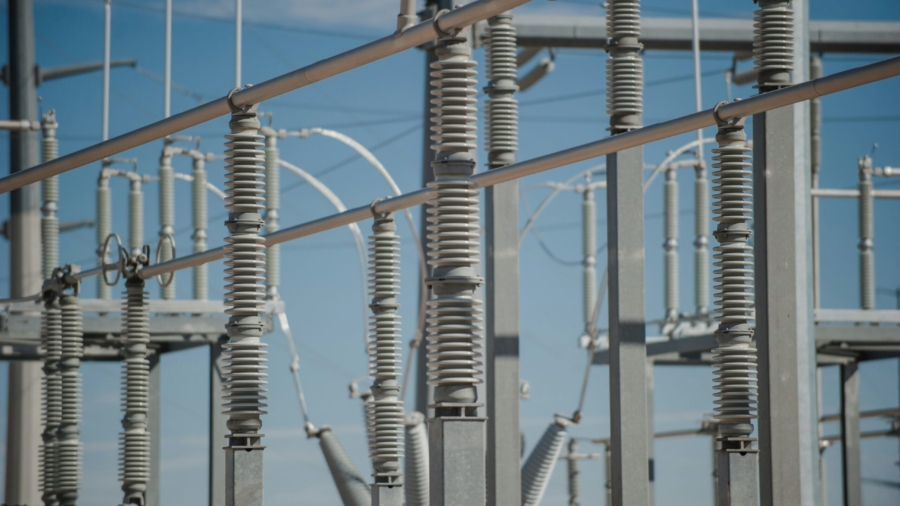
american-public-power-association-Zy1mDOLhUB4-unsplash

Trade Test

trade test is a practical and theoretical exam used to assess your skills in a specific trade, such as electrical, plumbing, fitting, welding, or motor mechanics. It determines whether you are competent to work as a qualified artisan.

Here’s a breakdown:

Purpose:

  • Certifies your technical competence.
  • Allows you to register as an artisan with the Department of Employment and Labour.
  • Improves your employability and pay grade.

Requirements:

  • Completed accredited training or recognition of prior learning (RPL).
  • Workplace experience (usually 3–4 years).
  • Certified copies of your ID and qualifications.

Process:

  1. Apply through an accredited trade test center (such as Newtech Training Academy).
  2. Undergo pre-assessment to check readiness.
  3. Take the test, which includes practical and theory components.
  4. Receive results (Competent or Not Yet Competent).
  5. Successful candidates get a Trade Test Certificate issued by NAMB.

Common Trade Test Areas in South Africa:

Bricklaying

Electrical Engineering

Plumbing

Welding

Diesel and Motor Mechanics

Fitting and Turning

front-view-science-elements-with-chemicals-composition

Chemical Engineering

Electrical engineering is a dynamic, innovation-driven discipline that harnesses electricity, electronics, and electromagnetism to power and connect the modern world. From nano-scale semiconductors and IoT sensors to continent-spanning grids and renewable-energy farms, electrical engineers design, analyze, and optimize systems that generate, transmit, and convert electrical energy into useful work and information. Mastery of circuits, signal processing, control theory, and embedded systems allows them to create safer, faster, and more sustainable technologies that touch every sector—telecom, healthcare, transportation, aerospace, and consumer electronics.

This image has an empty alt attribute; its file name is close-up-refrigerant-manifold-gauges-1024x1024.jpg
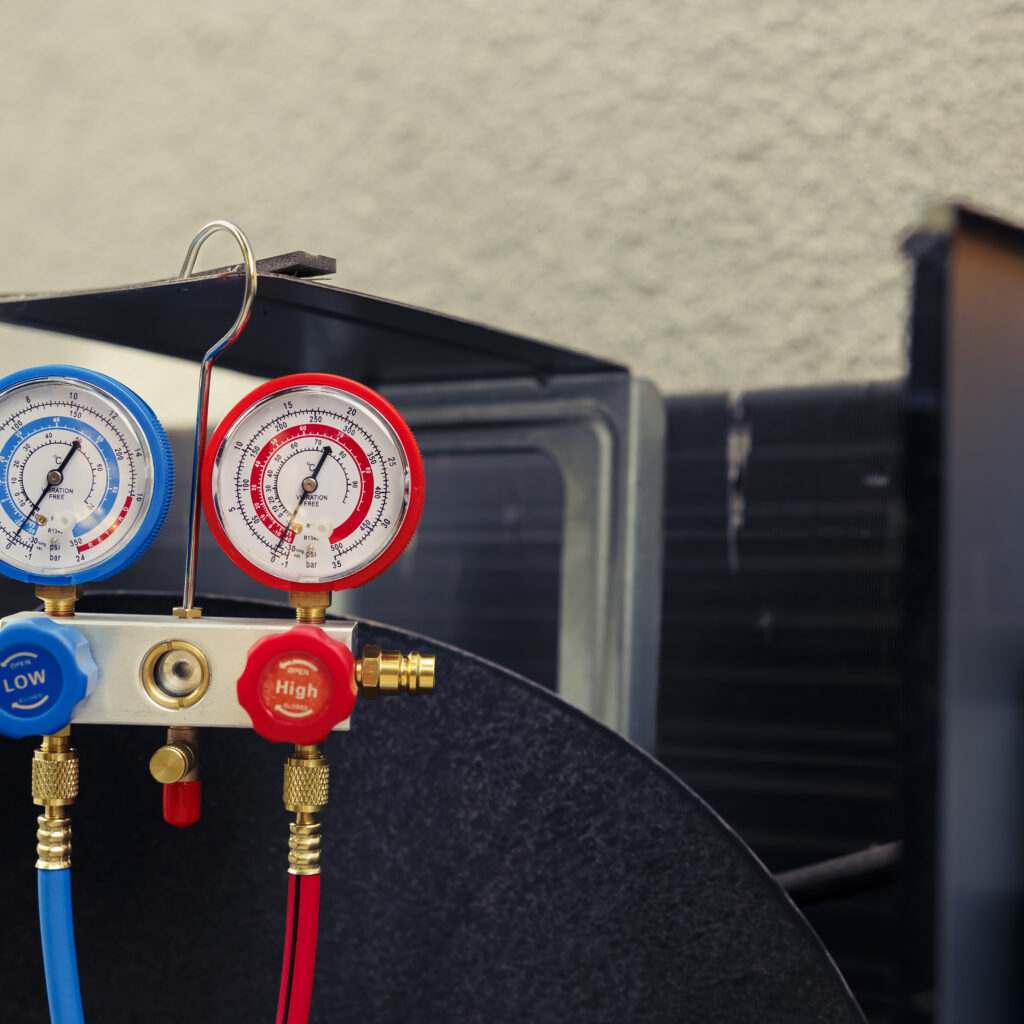
Close up of manifold gauges used for checking air conditioner refrigerant in need of maintenance. Set of barometer high or low freon levels benchmarking hvac system component

Career Opportunities

1.Power Systems Engineer: Plan and protect generation, transmission, and distribution networks for utilities, ensuring grid stability and integrating solar, wind, and battery storage.

2.Electronics Design Engineer: Develop PCBs, analog/digital ICs, and RF modules for smartphones, wearables, medical devices, and automotive infotainment.

3.Control & Automation Engineer: Program PLCs, design feedback loops, and deploy SCADA systems that keep factories, robots, and process plants running autonomously.

4.Embedded Systems Engineer: Code microcontrollers and real-time firmware for IoT gadgets, drones, electric-vehicle battery management, and smart-home appliances.

5.Telecommunications Engineer: Architect 5G/6G base stations, fiber-optic backbones, and satellite links that deliver high-speed data worldwide.

6.Renewable Energy Systems Engineer: Optimize inverters, MPPT algorithms, and micro-grids that harvest and deliver clean power from solar arrays and wind turbines.

Blueprint, level and belongings of construction engineer

Civil Engineering

Civil engineering is the oldest and most versatile branch of engineering, devoted to planning, designing, constructing, and maintaining the physical and naturally built environment. It blends physics, geology, hydrology, materials science, and project-management principles to create infrastructure that keeps society moving—roads, bridges, tunnels, dams, airports, water-treatment plants, and smart-city networks. Civil engineers balance technical precision with sustainability, ensuring structures withstand natural forces, serve growing populations, and minimize environmental impact. They specialize in surveying, structural analysis, geotechnics, transportation modeling, hydraulic design, and construction management to turn concepts into resilient, cost-effective assets.

Career Opportunities

1.Structural Engineer: Design and assess buildings, bridges, and towers to guarantee safety against loads like wind, earthquakes, and traffic.

2.Transportation Planner/Engineer: Model traffic flow, design highways, rail systems, and intelligent transport networks that cut congestion and emissions.

3.Geotechnical Engineer: Analyze soil and rock properties to foundation tunnels, dams, and high-rise buildings safely.

4.Water Resources Engineer: Plan pipelines, flood-control channels, and wastewater-treatment systems that secure clean water and protect ecosystems.

5.Construction Manager: Oversee budgets, schedules, and on-site teams to deliver large-scale projects on time and within code.

6.Sustainability/Resilience Consultant: Integrate green materials, renewable energy, and climate-adaptation strategies into urban master plans and retrofits.

detail shot of Architectural blueprints.

Mechanical Engineering

Mechanical engineering is a broad and versatile field focused on the design, analysis, and manufacture of mechanical systems. It combines principles of physics, mathematics, and material science to develop machines and technologies that power industries and improve everyday life. From engines, heating and cooling systems, and industrial equipment to medical devices and robotics, mechanical engineers work on a wide range of products and systems that serve essential functions in society. They are skilled in areas like thermodynamics, fluid mechanics, and structural analysis, applying these to solve complex engineering problems.

Career Opportunities

1.Mechanical Engineer: Design, develop, and test mechanical systems and products, working in sectors like automotive, manufacturing, or energy.

2.Aerospace Engineer: Specialize in designing and analyzing aircraft, spacecraft, and defense systems, working with aerospace companies or research institutions.

3.HVAC Engineer: Design and manage heating, ventilation, and air conditioning systems for buildings, ensuring efficiency and climate control.

4.Renewable Energy Engineer: Work on the design and maintenance of renewable energy systems like wind turbines, solar panels, and energy storage.

5.Maintenance Engineer: Ensure the reliability and safety of machinery in industries like manufacturing, energy, and infrastructure, performing regular inspections and troubleshooting issues.

6.Robotics Engineer: Design and develop robotic systems for industries such as manufacturing, healthcare, and logistics, focusing on automation and control.

7.Automotive Design Engineer: Create next-generation vehicle components—powertrains, chassis, suspension, and safety systems—balancing performance, emissions, and manufacturability for carmakers and EV startups.

8.Additive Manufacturing (3D-Printing) Engineer: Develop metal, polymer, and composite printing processes to produce lightweight, custom mechanical parts for aerospace, medical implants, and rapid-prototyping labs.

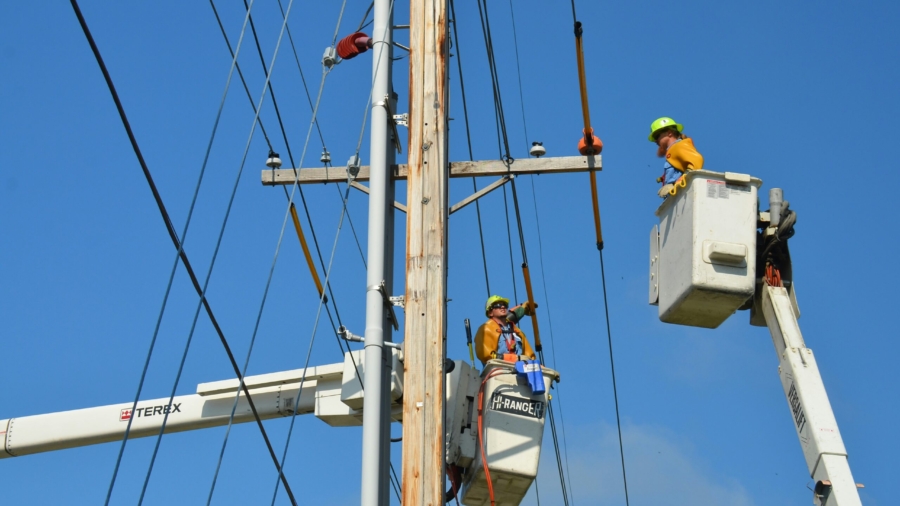
american-public-power-association-fHLdXfURDhA-unsplash

Electrical Engineering

Electrical engineering is a dynamic, innovation-driven discipline that harnesses electricity, electronics, and electromagnetism to power and connect the modern world. From nano-scale semiconductors and IoT sensors to continent-spanning grids and renewable-energy farms, electrical engineers design, analyze, and optimize systems that generate, transmit, and convert electrical energy into useful work and information. Mastery of circuits, signal processing, control theory, and embedded systems allows them to create safer, faster, and more sustainable technologies that touch every sector—telecom, healthcare, transportation, aerospace, and consumer electronics.
Career Opportunities:

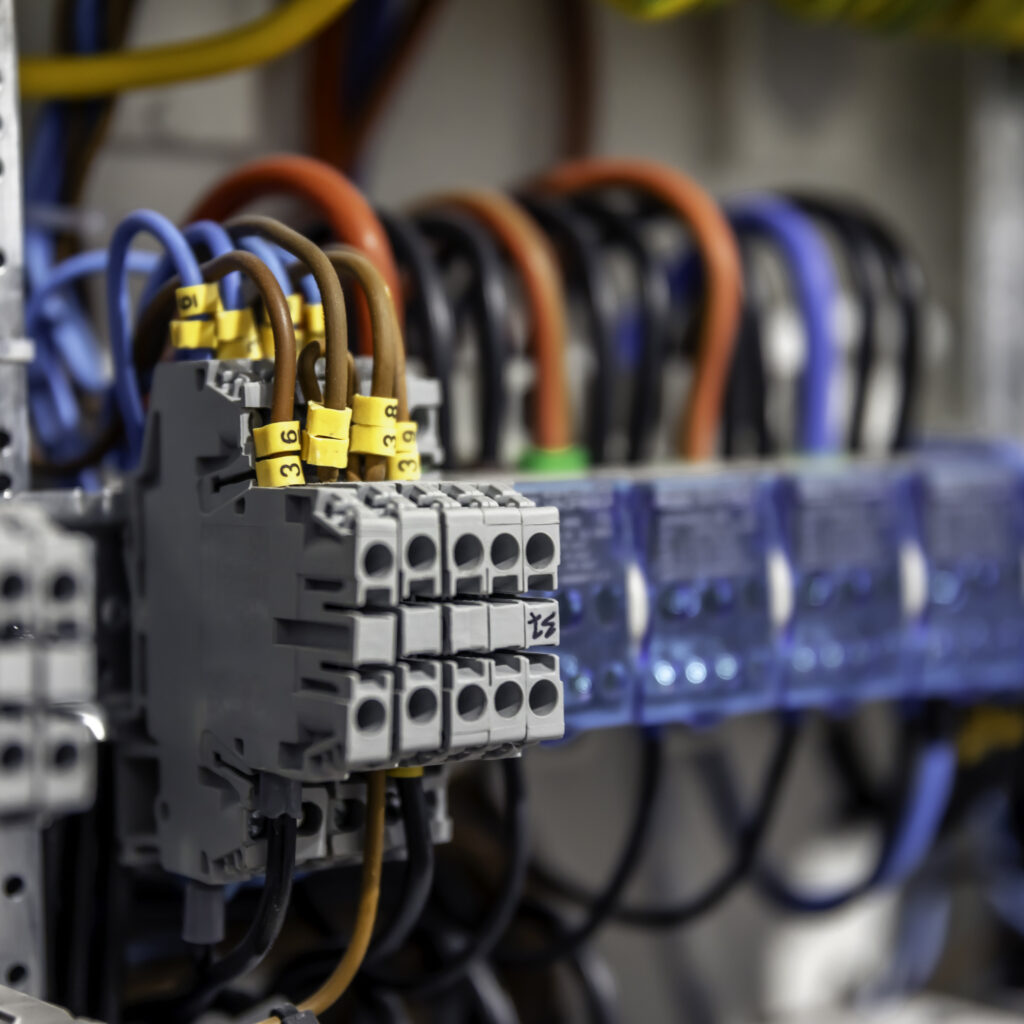
Electric control panel enclosure for power and distribution electricity. Uninterrupted, electrical voltage.

Job Opportunities

1.Power Systems Engineer: Plan and protect generation, transmission, and distribution networks for utilities, ensuring grid stability and integrating solar, wind, and battery storage.

2.Electronics Design Engineer: Develop PCBs, analog/digital ICs, and RF modules for smartphones, wearables, medical devices, and automotive infotainment.

3.Control & Automation Engineer: Program PLCs, design feedback loops, and deploy SCADA systems that keep factories, robots, and process plants running autonomously.

4.Embedded Systems Engineer: Code microcontrollers and real-time firmware for IoT gadgets, drones, electric-vehicle battery management, and smart-home appliances.

5.Telecommunications Engineer: Architect 5G/6G base stations, fiber-optic backbones, and satellite links that deliver high-speed data worldwide.

6.Renewable Energy Systems Engineer: Optimize inverters, MPPT algorithms, and micro-grids that harvest and deliver clean power from solar arrays and wind turbines.